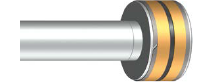
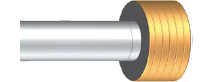
| SEALING SYSTEM |
Basic design
lip seal, wiper ring |
Servocop®
compact seal, lip seal, wiper ring |
Servoseal®
Servoseal®, lip seal, wiper ring |
Servofloat®
Floating gap seal, functional oil seal, wiper ring |
Functional oil seal
Functional oil seal, wiper ring |
| GUIDING SYSTEM |
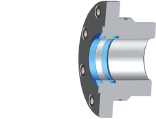 |
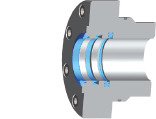 |
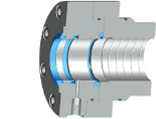 |
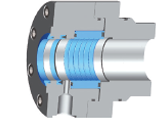 |
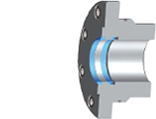 |
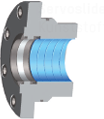
Servoslide®
Synthetic guide
|
- Simple movements
- Side loads due to lateral movement
- Low stick-slip
- v ≤ 0.5 m/s
|
- Controlled Movements
- Long-stroke oscillations
- Side loads due to lateral movement
- Largely stick-slip-free
- v ≤ 2 m/s
|
- Sensitive Movements
- Long- and short-stroke oscillations
- Side loads due to lateral movement
- Low wear
- v ≤ 2 m/s
|
- Sensitive Movements
- Long- and short-stroke oscillations
- External side loads or due to lateral movement
- Low wear
- v ≤ 2 m/s
|
|
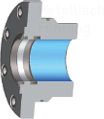
Metallic
guide
|
- Simple movements
- High temperatures
- Universal application
- Low stick-slip
- v ≤ 0.5 m/s
|
- Simple movements
- High temperatures
- Largely stick-slip-free
- v ≤ 1 m/s
|
- Simple movements
- Temperatures up to 80°C
- Low wear
- v ≤ 1 m/s
|
- Simple movements
- High temperatures
- Low wear
- v ≤ 1 m/s
|
|
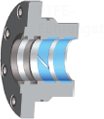
PTFE-
Wear rings
|
- Simple movements
- High temperatures
- Universal application
- Low stick-slip
- v ≤ 0.5 m/s
|
- Controlled movements
- Long-stroke oscillations
- Side loads due to lateral movement
- Long cylinder stroke
- Largely stick-slip-free
- v ≤ 3 m/s
|
- Sensitive Movements
- Long- and short-stroke oscillations
- External side loads or due to lateral movement
- Low wear
- v ≤ 4 m/s
|
- Sensitive Movements
- Long- and short-stroke oscillations
- External side loads or due to lateral movement
- Low wear
- v ≤ 4 m/s
|
|
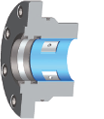
Servobear®
Hydrostatic bearing
|
|
|
|
|
- Sensitive Movements
- Short-stroke oscillations, highly dynamic
- Highest side loads
- No leak oil pump required
- v ≤ 4 m/s
|